Where to photograph the Vanoise? Photo spots in the Alps
Updated July 16, 2026
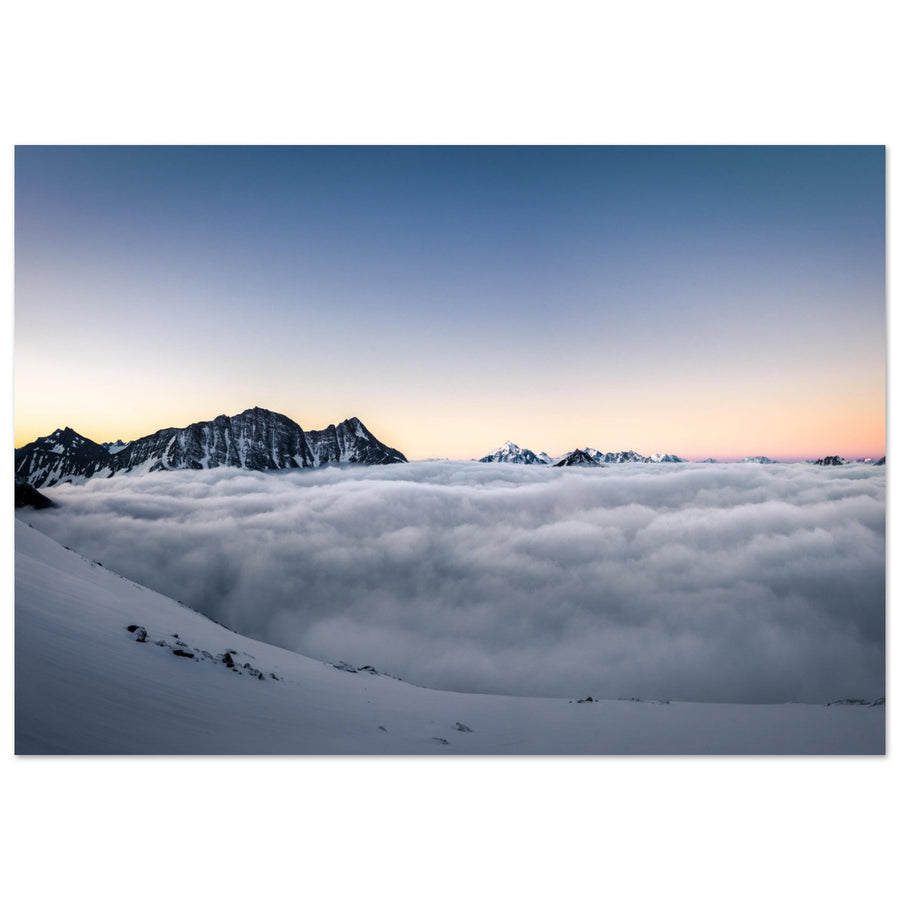
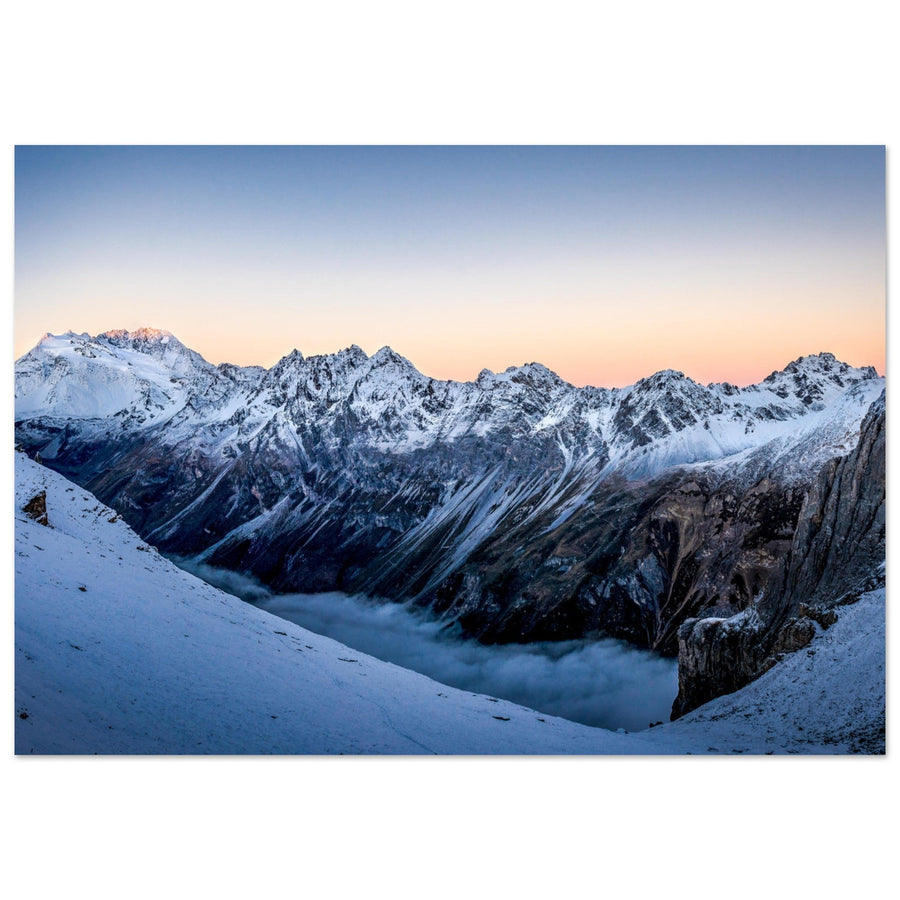
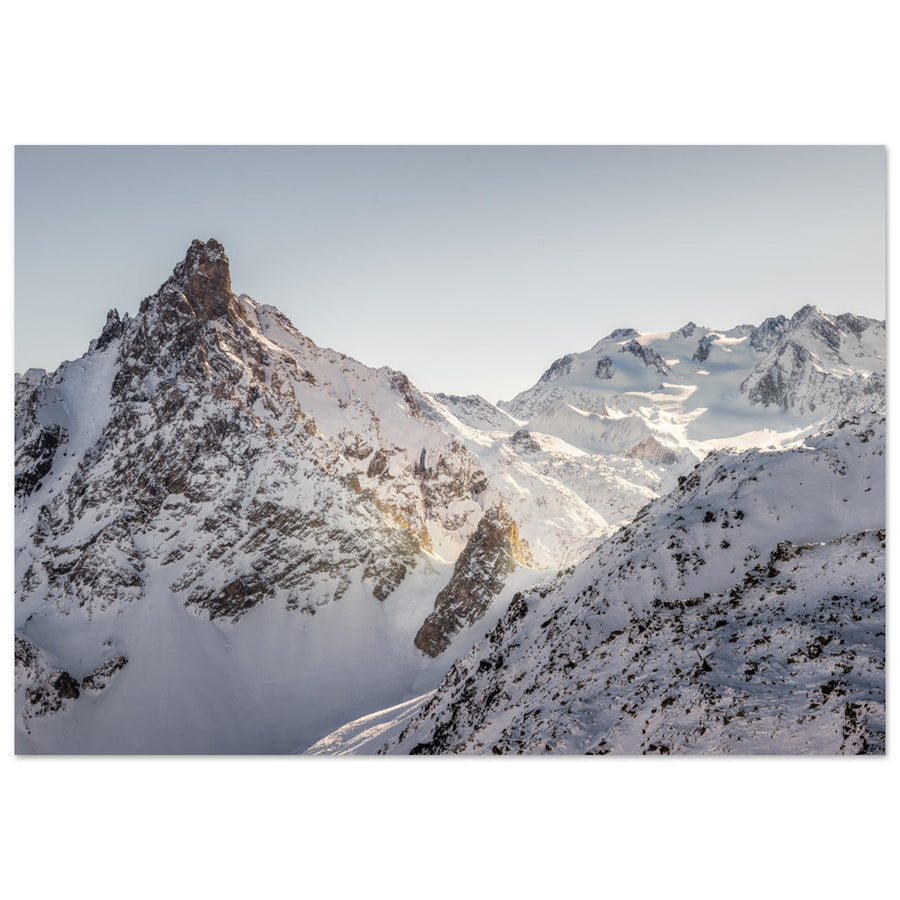
Photographing the Vanoise means working with mountains that appear gentler than the Écrins or Mont-Blanc, but are visually very rich: high-altitude lakes, refuges, limestone ridges, glacial domes, open valleys, dams, high-altitude resorts, autumn lights, and first snows.
This page serves as a pillar guide for choosing the best photo spots in the Vanoise based on your objective: iconic outing, isolated refuge, graphic summit, winter ambiance, lakes and reflections, premium resort, or more wild landscape. For each major sector, I indicate the photographic interest, the best season, the light to prioritize, and the detailed guide to consult.
As a mountain photographer since 2017, I seek out scenes in the Vanoise that retain their power when printed in large format: Grande Casse at sunrise, Dent Parrachée at golden hour, snow-covered refuges, calm lakes, Courchevel ridges, Haute Maurienne valleys, and low-angle light on the Savoyard peaks. You can find some of this work in my collection of Vanoise photo prints, printed on Dibond aluminum.

The Essentials in 30 Seconds
- Most iconic outing: Lac des Vaches, Col and Refuge de la Vanoise.
- Best refuge / snow sector: Refuges de la Valette and Grand Marchet.
- Best Haute Maurienne sector: Dent Parrachée from Aussois, Plan d’Amont and Plan d’Aval.
- Best resort / winter sector: Grande Casse from Courchevel, la Saulire and Dent de Burgin.
- Best overall season: autumn for light, winter for graphic lines, summer for access to lakes and refuges.
- Key tip: In Vanoise, first choose an ambiance: lake, refuge, ridge, summit, snow, or resort.
Explore Detailed Guides for the Vanoise
This page presents the major photo sectors of the massif. To prepare a specific outing, consult the detailed guides in the Vanoise cluster: access, light, framing, equipment, safety, and associated photo prints.
- Where to photograph Lac des Vaches, Col and Refuge de la Vanoise?
- Where to photograph Refuge de la Valette and Grand Marchet?
- Where to photograph Dent Parrachée from Aussois and Plan d’Amont?
- Where to photograph Grande Casse from Courchevel, la Saulire and Dent de Burgin?
- View all Vanoise photo guides
Table of Contents
- Why the Vanoise is an exceptional photographic playground
- Which sector to choose according to your photo objective?
- Table of the best photo spots in Vanoise
- Lac des Vaches, Col and Refuge de la Vanoise
- Refuge de la Valette and Grand Marchet
- Dent Parrachée, Aussois and Plan d’Amont
- Grande Casse from Courchevel, Saulire and Dent de Burgin
- Other sectors to explore in Vanoise
- Which season to choose?
- What camera equipment to bring?
- Regulations and safety
- Mistakes to avoid
- Discover my Vanoise photo prints
- FAQ
Why the Vanoise is an exceptional photographic playground
The Vanoise has a different personality from Mont-Blanc and the Écrins. It is often less vertical, less brutal, but very strong for balanced compositions: a summit, a lake, a refuge, a ridge, soft light, a simple foreground.
It is an ideal massif for photographers who love legible alpine landscapes. The Grande Casse provides power, the Dent Parrachée offers a graphic silhouette, the refuges provide a human scale, the lakes structure the foregrounds, while Courchevel and the high-altitude sectors of Haute Maurienne offer a more wintery and contemporary reading of the mountain.
The key is therefore not to photograph everything. The key is to choose the right sector according to the desired ambiance: iconic outing, refuge under the snow, summit with a telephoto lens, calm lake, autumn storm, or resort ridges.
Which sector to choose according to your photo objective?
Quickly choose your photo spot in Vanoise
- You want the most iconic outing: choose Lac des Vaches, Col and Refuge de la Vanoise.
- You are looking for a refuge, snow, minimalist or black and white atmosphere: prefer Refuges de la Valette and Grand Marchet.
- You want to photograph lakes, dams, reflections and storms: go towards Aussois, Plan d’Amont and Dent Parrachée.
- You are looking for a premium winter / resort aesthetic: aim for Courchevel, la Saulire, the Dent de Burgin and the Grande Casse.
- You want a wilder Vanoise: look towards Arpont, Bonneval-sur-Arc, the Avals valley or certain sectors of Haute Maurienne.
Table of the best photo spots in Vanoise
| Sector | Photo ambiance | Best light | Ideal season | Detailed guide |
|---|---|---|---|---|
| Lac des Vaches, Col and Refuge de la Vanoise | Slabs, lakes, refuge, Grande Casse, iconic outing | Morning, late afternoon, golden hour | Summer, autumn | View detailed guide |
| Refuge de la Valette and Grand Marchet | Refuge, snow, black and white, minimalism, ridges | Sunrise, late afternoon, snow, diffused light | Winter, autumn, summer | View detailed guide |
| Dent Parrachée, Aussois, Plan d’Amont | Lakes, dams, reflections, storms, Haute Maurienne | Sunset, clear spells after disturbance | Summer, autumn, winter | View detailed guide |
| Grande Casse from Courchevel | Resort, snow, ridges, Saulire, Dent de Burgin | Winter morning, late afternoon, after disturbance | Winter, summer, autumn | View detailed guide |
| Refuge de l’Arpont | Refuge, glaciers, wild valleys, domes | Morning, evening, blue hour | Summer, autumn | To explore from Haute Maurienne |
| Bonneval-sur-Arc and Haute Maurienne | Alpine village, stone, snow, high valley and wild summits | Morning, late afternoon, after a snowfall | Winter, summer, autumn | To explore from Haute Maurienne |
Lac des Vaches, Col and Refuge de la Vanoise: the iconic outing
The Lac des Vaches, the Col de la Vanoise and the Refuge de la Vanoise form the most emblematic outing in the massif on the Pralognan side. This is the sector to prioritize if you are looking for the slabs of Lac des Vaches, views of the Grande Casse, high-altitude lakes and a true refuge atmosphere.
On this pillar page, primarily remember the role of the sector: it is the classic, legible, alpine, balanced Vanoise. For details on access, light, framing, equipment and associated products, consult the complete guide: where to photograph Lac des Vaches, Col and Refuge de la Vanoise?

Refuge de la Valette and Grand Marchet: snow, refuge and black and white
The Refuges de la Valette tell another Vanoise story: more intimate, more graphic, sometimes harsher. This sector is very strong for images of snow, fog, storms, isolated refuges, and black and white photography.
This outing is less of an “iconic postcard” than Lac des Vaches, but it is very interesting for an author-photographer's approach. To prepare the outing in detail, consult the complete guide: where to photograph the Refuge de la Valette and the Grand Marchet?

Dent Parrachée, Aussois and Plan d’Amont: lakes, dams and storms
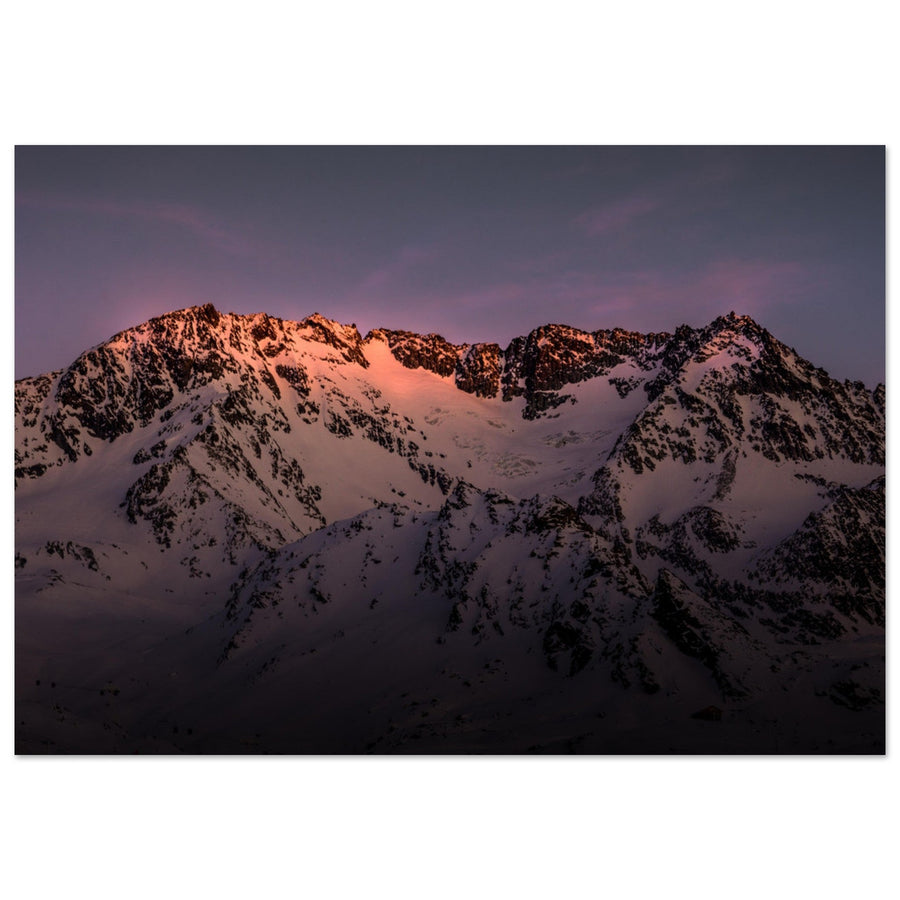
On the Haute Maurienne side, Aussois, Plan d’Amont and Plan d’Aval offer a more open, more graphic Vanoise, very different from the Pralognan sector. The Dent Parrachée becomes a major subject here, especially with the evening light, autumn storms and the lines of the dams.
This is the sector to choose if you want to photograph lakes, reflections, ridges, dams and late-day light. For detailed advice, consult the complete guide: where to photograph the Dent Parrachée from Aussois and Plan d’Amont?

Grande Casse from Courchevel, Saulire and Dent de Burgin: snow, ridges and premium resort
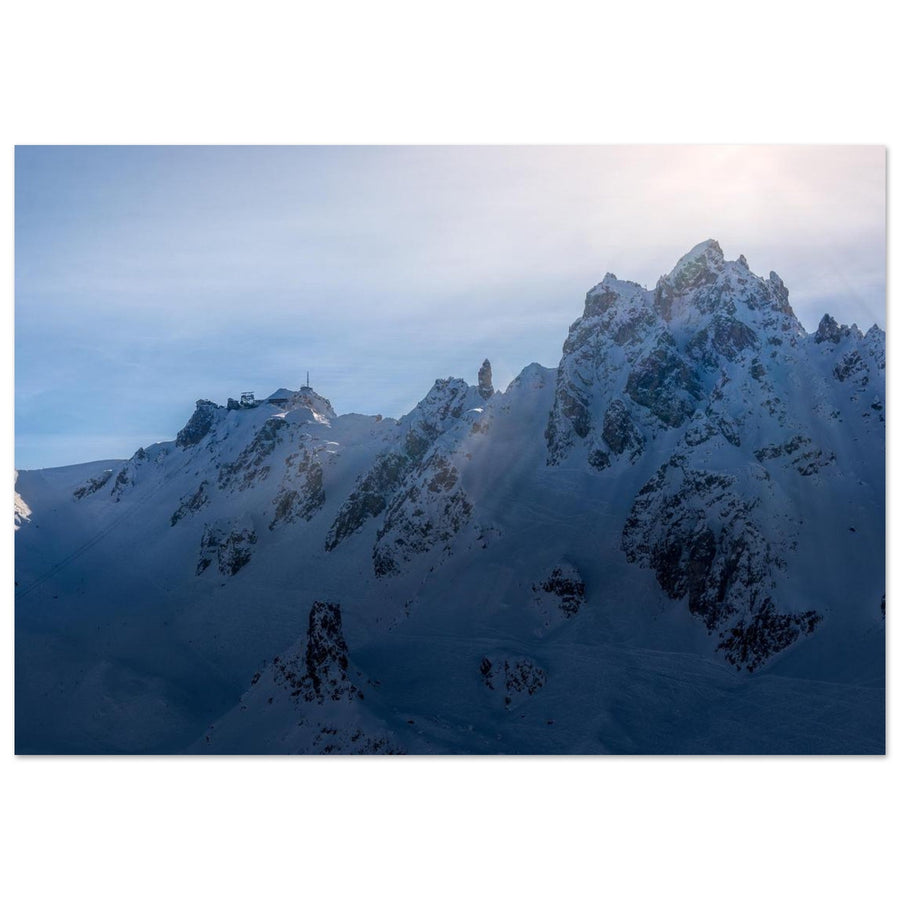
From Courchevel, the Grande Casse is photographed with a more distant, more wintery and more graphic perspective. La Saulire, Dent de Burgin, Aiguille du Fruit, and the Avals valley allow connecting the resort universe to a true mountain interpretation.
This is the sector to choose if you are looking for an aesthetic of snow, ridges, premium resort, and winter light, without losing the connection to the Vanoise. To prepare for this approach, consult the complete guide: where to photograph the Grande Casse from Courchevel, La Saulire, and Dent de Burgin?

Other sectors to explore in Vanoise
Refuge de l’Arpont and Vanoise glaciers
The Arpont sector offers a wilder and more contemplative view of the massif: valleys, domes, glaciers, suspended paths, and high-altitude refuge. It’s a good choice if you're looking for a less immediate, more silent Vanoise, with compositions built around depth and cold light.
Pralognan-la-Vanoise
Pralognan is one of the best bases for exploring the Vanoise on the Grande Casse, Lac des Vaches, Col de la Vanoise, Valette, and Grand Marchet sides. The village allows for several photo outings to be built around a single geographical core, with very different atmospheres depending on the season.
Bonneval-sur-Arc and the upper Arc valley
Bonneval-sur-Arc and the Haute Maurienne offer a wilder, more mineral and preserved Vanoise. The stone villages, open valleys, border peaks and early snows make it possible to create very alpine images, particularly strong at dawn, after a disturbance or during the autumn lights. This sector complements well the landscapes of lakes, refuges and peaks photographed around Aussois and Pralognan-la-Vanoise.
Which season to choose for photographing the Vanoise?
Spring
Spring can offer beautiful transitions: snow still present, more active torrents, regenerating meadows, and changing clouds. However, high-altitude access can remain complicated.
Summer
Summer is the most practical season for accessing lakes, refuges, and high-altitude routes. To avoid flat images, prioritize extreme hours: sunrise, sunset, blue hour, or light after a storm.
Autumn
Autumn is often the best photo season in Vanoise. The light is lower, colors are warmer, early snows are possible, and scenes gain depth.
Winter
Winter simplifies compositions: snow, refuges, fir trees, villages, ridges, and cold skies. Some access points are limited, but the images can become very graphic, especially around Pralognan-la-Vanoise, Aussois, Bonneval-sur-Arc, and Courchevel.
What camera equipment to bring to Vanoise?
The Vanoise demands versatile equipment. Landscapes are often open, but the best images sometimes come from a detail: a refuge, a ridge, light on a summit, a reflection, a track in the snow, or a lake's texture.
- 16–35 mm: useful for lakes, refuges, and wide foregrounds.
- 24–70 mm: ideal for the balanced compositions typical of the Vanoise.
- 70–200 mm: very useful for isolating Grande Casse, Dent Parrachée, Saulire, ridges, and light details.
- Tripod: recommended for sunrises, sunsets, blue hour, reflections, and long exposures.
- Polarizing filter: useful for lakes, but to be used with caution with wide-angle lenses.
- Extra batteries: important at high altitude and in cold weather.
- Headlamp: essential for pre-dawn starts or late returns.
- Warm and windproof clothing: necessary even in summer if you wait a long time for the light.
Regulations and safety in the Vanoise National Park
A large part of the most beautiful areas of the Vanoise are located within or near the heart of the National Park. Regulations protect its fauna, flora, lakes, glaciers, high-altitude environments, and the tranquility of these sites.
In the heart of the Vanoise National Park, dogs are prohibited, even on a leash, except for very specific exceptions. Bivouacking is regulated: it is only possible during the summer, in the immediate vicinity of certain refuges and according to the specific rules of each site. Drones and recreational flying objects are also prohibited in the heart of the Park.
Before a photo outing, always check the official information: weather, lift opening hours, trail conditions, snow cover, local regulations, road closures, altitude conditions, and bivouac rules. A photo never justifies degrading a fragile environment or taking unnecessary risks.
Useful official links before an outing
Mistakes to avoid when photographing the Vanoise
1. Treating the Vanoise as a single spot
The Vanoise is a vast massif: Pralognan-la-Vanoise, Aussois, Courchevel, Bonneval-sur-Arc and the various valleys of Haute Maurienne do not produce the same images. Choose a sector according to your photographic intention.
2. Photographing everything too wide
Wide-open spaces are alluring, but a wide-angle lens can dilute the peaks. A medium or long focal length often gives more presence to the Grande Casse, the Dent Parrachée, or the Courchevel ridges.
3. Neglecting foregrounds
Lakes, slabs, refuges, trails, high-altitude grasses, snow, and stones are essential. They are often what transform a beautiful view into a true composition.
4. Only waiting for blue skies
A perfectly blue sky can make images flat. A few clouds, a low-angle light, mist, drifting snow, or an atmosphere after a thunderstorm often give more character.
5. Forgetting regulations
Dogs, bivouacking, drones, foraging, fires, litter, and disturbing wildlife are sensitive topics in a national park. Always check official rules before your outing.
Discover my Vanoise photo prints
A portion of my work focusing on the Vanoise is available as large-format photo prints on aluminum Dibond. I select images that retain their impact when printed: Grande Casse, Dent Parrachée, Refuge de la Vanoise, Refuges de la Valette, Courchevel, Saulire, Aussois, high-altitude lakes, and landscapes of Haute Maurienne.
See in the gallery
- Discover Vanoise photo prints
- Photo of a sunrise over the Grande Casse
- Photo of the Grande Casse from Courchevel, Vanoise
- Photo of a sunset over the Grande Casse and the Refuge de la Vanoise
- Photo of a sunset over the Dent Parrachée
- Photo of the Refuge de la Valette in a snowstorm
- Photo of the Refuges de la Valette in black and white
To integrate a Vanoise photograph into your interior, you can also consult:
- Alpine photo prints for living rooms and large walls
- Panoramic Alpine photo prints
- Alpine photo prints for chalets
- What size to choose for an Alpine photo print?
- Request a wall simulation
Continue with detailed Vanoise guides
To move from an overview to field preparation, continue with the detailed cluster guides:
FAQ — Where to photograph the Vanoise?
What is the best place to photograph the Vanoise?
The area around Lac des Vaches, Col de la Vanoise, and Refuge de la Vanoise is one of the most iconic. For a more graphic approach, Aussois and the Dent Parrachée are excellent. For a refuge and snow atmosphere, the Refuges de la Valette are very striking.
Where to photograph the Grande Casse?
The Grande Casse can be photographed very well from the Col de la Vanoise, Lac des Vaches, Pralognan-la-Vanoise, and some more distant viewpoints like Courchevel, Saulire, or the Dent de Burgin.
Where to photograph the Dent Parrachée?
The Dent Parrachée is particularly photogenic from Aussois, Plan d’Amont, and Plan d’Aval. Sunset, golden hour, and stormy atmospheres really bring out its ridges and couloirs.
Which area to choose for photographing refuges in Vanoise?
The Refuge de la Vanoise is ideal for a composition with the Grande Casse. The Refuges de la Valette are better suited for snow, minimalist, black and white, and isolated refuge atmospheres.
What is the best season to photograph the Vanoise?
Autumn is often the best season thanks to the low light, warmer colors, and first snows. Summer makes access to lakes and refuges easier, while winter provides more graphic compositions.
Can the Vanoise be photographed without a long hike?
Yes. Some viewpoints are quite easily accessible around Aussois, Courchevel, Bonneval-sur-Arc, or Pralognan-la-Vanoise. However, the most striking scenes around lakes and refuges often require a proper walk.
Is bivouacking allowed in the Vanoise National Park?
Bivouacking is only allowed under very strict conditions: during the summer season, in the immediate vicinity of certain refuges, with specific times and rules for the sites concerned. One should not assume that bivouacking is freely allowed near a lake or a summit.
Are dogs allowed in the Vanoise National Park?
In the heart of the Vanoise National Park, dogs are prohibited, even on a leash, except for specific exceptions. Outside the core area, local regulations must be checked.
Can a drone be used in Vanoise?
In the heart of the Vanoise National Park, drones and recreational flying objects are prohibited. Before any aerial photography, the specific area concerned and the official regulations must be checked precisely.
What focal length to use for photographing the Vanoise?
A wide-angle is useful for lakes, refuges, and foregrounds, but a telephoto lens is often indispensable for isolating the Grande Casse, Dent Parrachée, Saulire, ridges, and light details. A 24–70 mm and a 70–200 mm cover many situations.