Photographing the Vanoise in Winter: Spots, Huts, and Tips (2026)
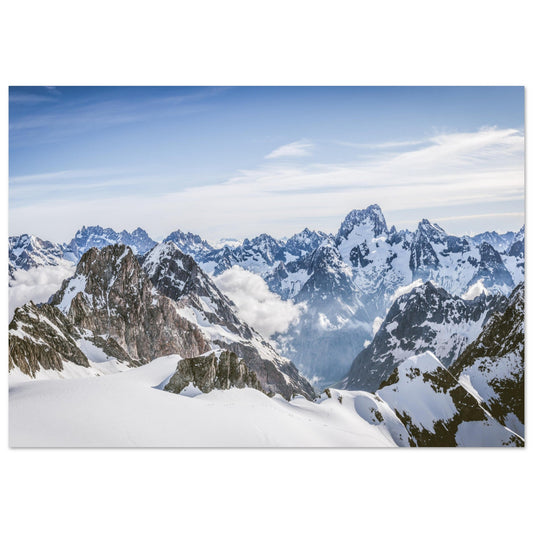
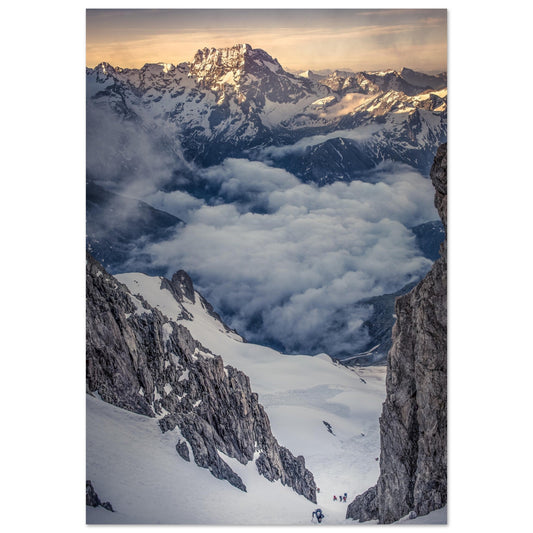
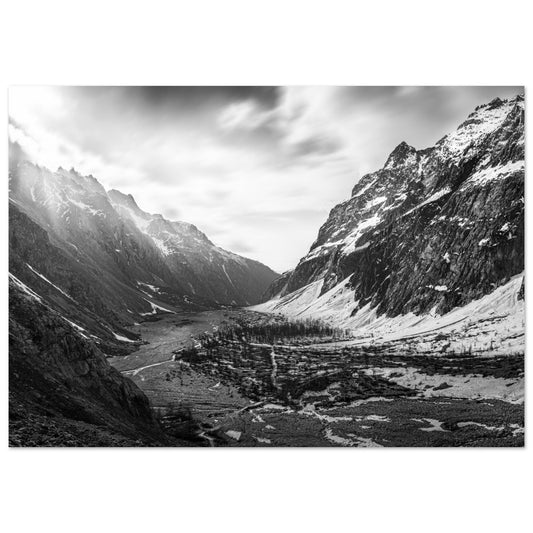
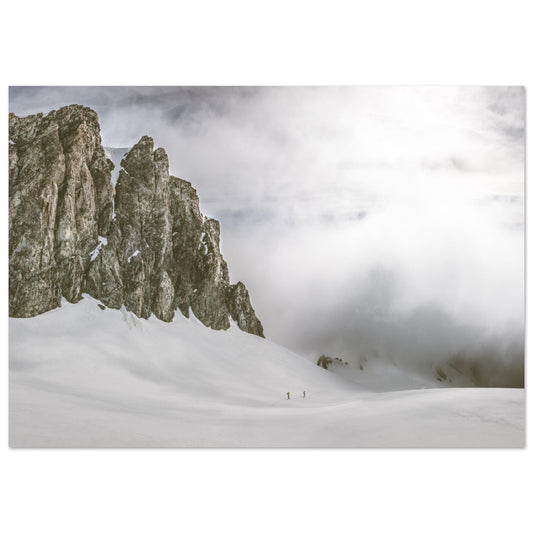
The Vanoise National Park offers an exceptional playground for mountain photographers in winter. Between snow-capped peaks, legendary refuges, and prestigious ski resorts, this massif of the Northern Alps reveals incomparable winter beauty. Here is our complete guide to capturing the magic of the Vanoise under the snow.
Must-see spots in the Vanoise in winter
La Grande Casse (3,855 m): the roof of the Vanoise
The highest point of the massif, La Grande Casse majestically dominates the winter landscape. The best views are captured from Courchevel, especially at sunrise when the first rosy lights illuminate its icy walls. The low winter light sculpts the relief and creates striking contrasts.

To immortalize this iconic peak, discover our photo print of La Grande Casse from Courchevel, printed on Dibond aluminum for museum quality.
La Dent Parrachée: a recognizable profile
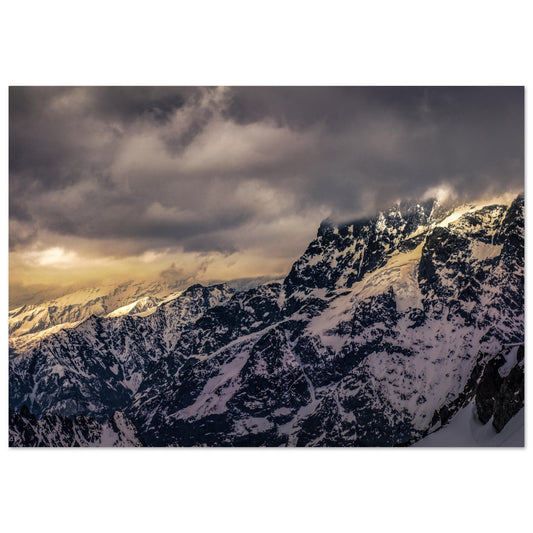
With its characteristic silhouette, La Dent Parrachée (3,697 m) offers spectacular photographic compositions. In winter, changing weather conditions create dramatic atmospheres, especially during snowstorms or sudden clearings.

Our Alu Dibond print of La Dent Parrachée captures this unique atmosphere of the Vanoise massifs.
Photogenic refuges in the Vanoise
Refuge de la Valette (2,590 m)
Accessible by snowshoe or ski touring, the Refuge de la Valette is an ideal base camp for photographing the heart of the national park. The winter atmosphere there is authentic, with panoramic views of the surrounding glaciers. Sunrises from the refuge offer exceptional light on the snow-covered peaks.
Refuge du Col de la Vanoise (2,517 m)
Located on the GR5, this refuge provides access to remarkable viewpoints over La Grande Casse and La Grande Motte. In winter, the ski touring approach adds an adventurous dimension to your photo sessions. Conditions can be demanding, but the visual rewards are worth it.

Refuge du Plan du Lac (2,364 m)
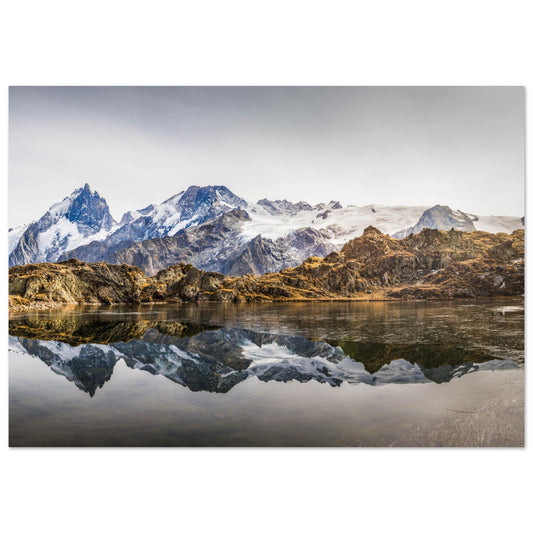
This refuge offers unique perspectives on the Vanoise peaks, particularly magical at sunrise and sunset. Photographers will find exceptional compositions there with reflections on the frozen lake and the surrounding peaks.

Ski resorts: accessible photo spots
Courchevel: luxury and panoramas
The different levels of Courchevel (1550, 1650, 1850, Moriond) offer easy access to spectacular viewpoints. The summit of La Saulire (2,738 m), accessible by cable car, allows you to photograph a 360° panorama of the Alps. The groomed slopes at daybreak, with La Grande Casse in the background, create remarkable graphic compositions.
Val d'Isère and Tignes: Espace Killy
This giant ski area provides access to high altitudes (up to 3,456 m at La Grande Motte) for high mountain shots. The Grande Motte glacier offers winter conditions even in the middle of winter, with ice formations and lunar landscapes. Nearby Les Arcs also offer breathtaking views of the Vanoise.
Discover our collection of photo prints of Les Arcs, available in color or black and white for a timeless aesthetic.
Technical tips for winter photography in Vanoise
Cold-weather appropriate equipment
- Spare batteries: cold drastically reduces battery life. Keep them warm against your body.
- Snow protection: rain cover, waterproof bag, microfiber cloths to wipe away snowflakes.
- Stable tripod: essential for long exposures at sunrise/sunset and in low light.
- Polarizing filters: to manage reflections on snow and intensify the blue of the sky.
Recommended settings
- Exposure: overexpose by +1 to +2 EV to compensate for white snow that fools the meter.
- White balance: "cloudy" or "shade" mode to warm up tones, or RAW to adjust in post-processing.
- ISO: keep it low (100-400) to preserve quality, increase if necessary at the end of the day.
- Aperture: f/8 to f/11 for good depth of field in landscapes.
Best light hours
In winter, golden hours are longer and the light is softer. Prioritize:
- Sunrise: between 7:30 AM and 9:00 AM (January-February), pink and orange light on the peaks.
- Morning blue hour: 30 minutes before sunrise, for cold and mysterious atmospheres.
- Sunset: between 4:30 PM and 6:00 PM, with spectacular sunsets over Les Arcs.
- Evening blue hour: just after sunset, when the resorts light up.

Safety and preparation
Demanding winter conditions
The Vanoise in winter requires serious preparation:
- Check the weather and avalanche bulletin (scale 1 to 5).
- Equip yourself with an avalanche beacon, shovel, and probe if you venture off marked trails.
- Plan warm layered clothing (3-layer system).
- Inform someone of your itinerary and estimated return time.
- Start early to enjoy the best light and avoid crowds.
Access and logistics
Main access points to the Vanoise in winter:
- From Chambéry: 1h30 to Courchevel or Val d'Isère.
- From Grenoble: 2h00 to the Tarentaise resorts.
- From Lyon: 2h30 via the A43 motorway.
- By train: Moûtiers or Bourg-Saint-Maurice stations, then shuttles.
Immortalize your Vanoise memories
After your photo sessions in the Vanoise, transform your most beautiful images into Dibond aluminum photo prints. This high-end, light, and durable medium enhances mountain landscapes with vibrant colors and a professional finish.

Explore our Vanoise National Park collection for inspiration, or offer our Vanoise Massif 2025 photo calendar to relive the beauty of this exceptional massif all year round.
Conclusion
The Vanoise in winter is a paradise for mountain photographers, combining accessibility via ski resorts and the authenticity of high-altitude refuges. Whether you are a beginner or an experienced photographer, this massif offers a diversity of subjects and exceptional lighting conditions. Prepare properly, respect the winter mountain, and you will bring back unforgettable images of this jewel of the French Alps.
Happy winter photography in the Vanoise!